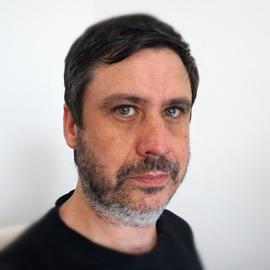
Biography
technotecture is a portfolio of project and research work, designs and publications by Hartmut Seichter. For more information check out my detailed CV
PhD in Computer Aided Architectural Design, 2007
The University of Hong Kong
Diplom in Architectural Design, 2002
Bauhaus University Weimar
Skills
Expert in C/C++ and versatile in C#, Java, JavaScript and Python. Let’s just say I love programming!
Over 20 years of expertise in Virtual Reality, Augmented Reality and novel user interfaces
Expert in designing and building novel user interfaces and their evaluation.
Specializing in realtime image recognition and tracking
Expert in design, creation and animation of 3D content.
Passionate higher education teacher.
Projects



Recent Publications
my academic output - complete publication list here
Contact
Get into contact
If you are interested in projects or want to know more details about our work, feel free to drop us a line here:
- hartmut@technotecture.com
- +49 3683 688 4104
-
Am Blechhammer 4-9
98574 Schmalkalden - Enter building F and take the stairs or the elevator to the second floor.
- only by appointment
- Book an appointment
- Mastodon